Introduction
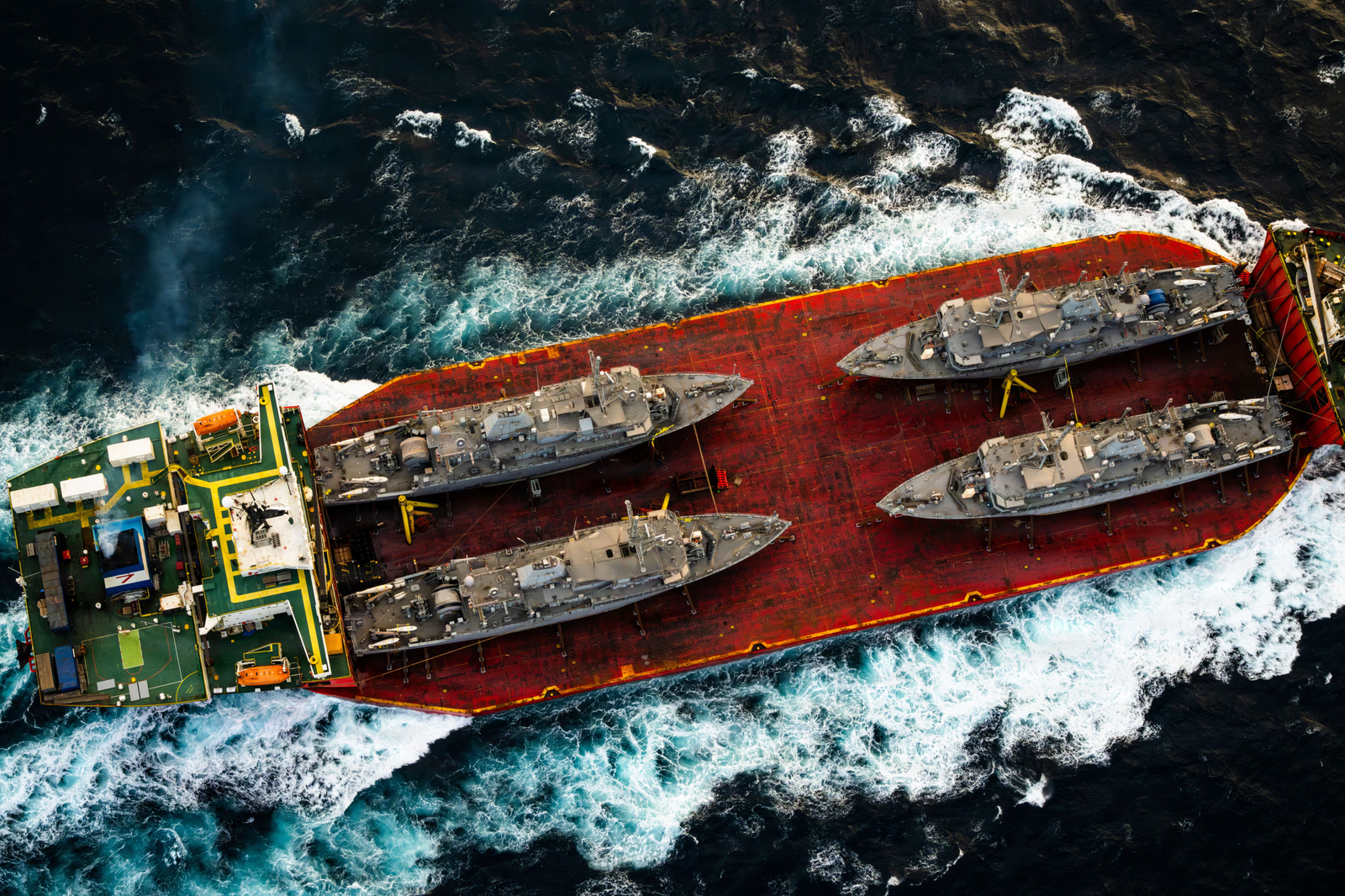
A minesweeper ship has a careful but important job at sea. These vessels search for dangerous naval mines underwater. They help create safer routes for other ships. Naval mines can remain hidden for long periods. They can also damage vessels without warning. This makes mine clearance an important part of naval operations.
The history of the minesweeper ship developed alongside naval mine technology. As mines became more advanced, navies needed better ways to find them. Special vessels were built for this purpose. Their designs focused on safety, detection, and careful movement. Today, mine warfare uses advanced sensors and unmanned systems. Yet the basic mission remains the same. The goal is to make dangerous waters safer for ships and crews.
What Is a Minesweeper Ship?
A minesweeper ship is a naval vessel designed to locate and clear underwater mines. Naval mines are explosive devices placed in water. Different mines can respond to contact, pressure, sound, or magnetic changes. This makes them difficult to find and remove.
The main purpose of a minesweeper is to create safer routes through suspected minefields. This can support warships, transport vessels, and other maritime operations. The exact method depends on the mine type and surrounding conditions.
Mine clearance requires careful planning. Crews study charts, water depth, and possible threat locations. They then select suitable detection and clearance equipment. The work requires patience because even a small underwater object may need careful investigation.
Why Are Minesweeper Ships Important?
Naval mines can make harbors and sea routes extremely dangerous. A small minefield can delay an entire naval operation. Ships may need to avoid an area until the threat is removed.
A minesweeper ship helps reduce this problem. It can search for threats and support the creation of safer routes. This work can help larger ships reach important areas.
Mine clearance also matters after wars end. Old mines may remain underwater for many years. They can become dangerous to fishermen, commercial ships, and recreational boats.
Minesweepers have a specialized role. A large warship may carry powerful weapons, but that does not make it ideal for mine detection. A dedicated vessel has equipment designed specifically for this difficult mission.
How Does a Minesweeper Ship Work?
A minesweeper ship uses specialized systems to detect and deal with underwater mines. Some equipment searches for objects on the seabed. Other systems look for signals associated with particular mine types.
Traditional minesweeping can use equipment towed behind the vessel. This equipment works at a controlled distance from the main ship. It can help clear an area without placing the vessel directly over every suspected mine.
Mine hunting uses a different approach. Operators search for individual underwater objects using sonar and other sensors. Suspicious objects can then be examined more closely.
Accuracy is extremely important during these operations. Crews must consider water depth, currents, weather, and the location of nearby ships. A route needs careful checking before other vessels use it.
Types of Naval Mines
Naval mines come in several basic forms. Their designs depend on where they are placed and how they are intended to activate.
Contact mines are designed to react when a vessel touches them. Other mines can respond to magnetic changes. Some may react to pressure or underwater sound created by passing ships.
This variety makes mine clearance challenging. One method may not work against every type of mine. Crews need information about the suspected threat before selecting suitable equipment.
Mines can also exist at different depths. Some may be close to the surface. Others can rest on the seabed. This means detection systems must work across different underwater environments.
Minesweeper Ship Design
The design of a minesweeper ship reflects its special mission. Traditional vessels often used construction methods that helped reduce their vulnerability to certain mines.
Size can also be useful. Smaller vessels can operate in harbors, coastal waters, and narrow areas. Their shallow draft may allow them to work where larger ships cannot easily operate.
Modern vessels use advanced electronics and underwater equipment. These systems can help crews gather information without exposing themselves unnecessarily.
Some vessels can also work with unmanned vehicles. These systems can extend the ship’s reach and provide additional information.
A minesweeper does not need to be the biggest ship in a fleet. Its value comes from performing a difficult task that many other vessels cannot handle effectively.
Minesweeper Ship US Navy History
The minesweeper ship US Navy story includes many different vessels and classes. American naval forces have used mine warfare ships for coastal operations, harbor clearance, and other missions.
During the twentieth century, the United States developed different minesweepers for different environments. Some focused on coastal waters. Others were designed for wider ocean operations.
The term minesweeper ship US Navy does not describe one particular vessel. It covers a broad group of ships used across different periods.
American mine warfare technology has also changed with time. Newer systems have focused more on sonar, remote equipment, and unmanned platforms. These developments aim to improve detection while reducing risks to sailors.
Minesweeper Ship Profile
Because minesweepers come in many classes, their exact specifications can differ. This table gives a general profile of this type of naval vessel.
| Feature | General Details |
|---|---|
| Ship Type | Naval mine warfare vessel |
| Main Mission | Finding and clearing naval mines |
| Main Areas | Harbors, coastal waters, and sea routes |
| Main Equipment | Sonar, detection systems, and sweep equipment |
| Hull Design | Often designed for mine warfare |
| Crew | Depends on vessel class |
| Propulsion | Varies by ship generation |
| Armament | Usually focused on self-defense |
| Main Role | Creating safer routes through suspected minefields |
| Modern Systems | Remote and unmanned technology |
| Related Mission | Mine hunting and mine countermeasures |
| Main Advantage | Specialized underwater threat detection |
Minesweeping and Mine Hunting
Minesweeping and mine hunting are related but different activities.
Minesweeping generally focuses on clearing an area or route. Specialized equipment can be used to deal with mines from a controlled distance.
Mine hunting focuses more on finding and identifying individual underwater objects. Sonar can help operators locate objects on the seabed. Once a threat is confirmed, specialized equipment can be used.
Both methods have important roles. The best approach depends on the water, mine type, mission, and available equipment.
Modern mine countermeasures can combine both methods. Crewed vessels may work alongside unmanned surface and underwater systems.
Modern Minesweeper Technology
Technology has changed mine clearance greatly. Older operations relied more heavily on mechanical systems and direct observation. Modern vessels can gather much more information about underwater areas.
Sonar is one of the most important technologies. It can help operators identify objects beneath the water. Other sensors can detect signals linked with certain mine designs.
Unmanned surface vehicles can perform selected mine countermeasure tasks. Unmanned underwater vehicles can also inspect areas without placing sailors directly in the same location.
These systems can improve safety and efficiency. However, they do not remove the need for trained operators. People still need to understand sensor information and make careful decisions.
Why Minesweepers Need Special Protection
A minesweeper ship operates near potentially explosive objects. This creates special design challenges.
Traditional warships often focus on speed, weapons, armor, and endurance. Minesweepers have different priorities. Their design must support careful operations around underwater threats.
Reducing certain magnetic and acoustic signatures can help against some mine types. Special construction materials have also been used in mine warfare vessels.
Crew training is equally important. Operators need to understand their equipment and the conditions around them. Weather, water depth, tides, charts, and underwater terrain can all affect a mission.
Safety is always a central part of mine countermeasures.
Role During Military Operations
Naval mines can protect harbors, coastlines, and important sea routes during conflicts. They can make an area difficult for enemy ships to enter.
A minesweeper ship can help reduce this obstacle. By supporting route clearance, these vessels may allow other naval units to move through previously dangerous waters.
Minesweepers can also support amphibious operations. Ships carrying people and equipment need safer routes before approaching certain coastal areas.
The work may appear less dramatic than a major naval battle. Yet it can have a major effect on an operation. A safe route can determine whether larger ships can reach their destination.
What Happens When a Mine Is Found?
Finding a suspicious underwater object is only the beginning. Operators first need to assess what they have discovered.
They may examine its location, shape, depth, and other available information. The goal is to determine whether the object is actually a mine.
If it is confirmed as a threat, specialists can select an appropriate method for dealing with it. Remote systems may help keep people away from the immediate danger.
The exact process depends on the situation. Safety remains the main priority.
This is one reason mine clearance can take considerable time. Careful identification is essential before an area can be considered safe.
Are Minesweepers Still Relevant?
Yes, mine countermeasures remain important today. New technology has changed the process, but underwater mines remain a potential maritime threat.
Modern navies increasingly combine crewed ships with unmanned systems. This can provide greater flexibility during searches and reduce exposure to certain dangers.
The future may bring even more autonomous vehicles, improved sonar, and advanced underwater sensors. These tools could make detection faster and more accurate.
However, technology does not remove the need for skilled people. Mine clearance still requires careful judgment, planning, and attention to detail.
Conclusion
A minesweeper ship has a specialized role that can be vital to naval operations. These vessels help detect and clear dangerous underwater mines. Their work can protect ships and open important sea routes.
The history of the minesweeper ship US Navy also shows how naval technology has evolved. Older vessels depended more on traditional sweeping methods. Modern systems use advanced sensors and unmanned vehicles.
Although these ships may not receive the attention given to aircraft carriers or destroyers, their mission remains important. They show how specialized technology can solve complex maritime problems.
Understanding minesweepers also gives readers a better view of naval warfare. Their work combines technology, careful planning, and skilled crews to make dangerous waters safer.
FAQs About Minesweeper Ships
What is a minesweeper ship?
A minesweeper ship is a naval vessel designed to find and clear underwater mines. It uses specialized equipment to help make waterways safer.
What does a minesweeper ship do?
It searches for underwater mines and supports their removal or neutralization. Its work helps protect other vessels and maintain important sea routes.
Did the US Navy use minesweepers?
Yes. The US Navy has operated many mine warfare vessels throughout its history. Different ships were developed for different environments and missions.
What is the difference between mine hunting and minesweeping?
Mine hunting focuses on finding and identifying individual underwater threats. Minesweeping focuses more on clearing routes or areas.
Are minesweeper ships still used?
Yes. Mine countermeasures remain an important naval mission. Modern operations increasingly use unmanned surface and underwater systems.
Why are minesweeper ships important?
Naval mines can block ports and sea routes. Minesweepers help locate these threats and support safer movement through affected waters.