Introduction
Fire safety is important in homes, offices, warehouses, and large industrial buildings. A small spark can cause serious damage when the right conditions exist. Traditional systems often respond after a fire starts. Modern technology also explores ways to prevent fires before ignition happens. This is where firepass becomes an interesting topic for business owners and safety professionals.
FirePASS is a fire prevention technology designed to reduce the risk of ignition by controlling oxygen levels in protected spaces. It is different from ordinary smoke alarms and water sprinklers. Instead of waiting for flames, it aims to create an environment where many common materials are harder to ignite. Understanding this technology can help readers learn about modern fire protection. However, choosing a system requires careful planning, expert advice, and an understanding of building safety needs.
What Is Firepass?
FirePASS is a fire prevention technology associated with oxygen-reduction systems. The company behind this technology was established in 2001 in New York, according to its official website. Its main approach involves maintaining a controlled, oxygen-reduced atmosphere inside selected enclosed spaces. This environment can make ignition more difficult for many common combustible materials.
The technology is designed for places where fire damage could cause major financial losses or interrupt important operations. Examples include warehouses, data centers, and certain industrial facilities. Unlike a basic fire alarm, the system focuses on preventing ignition rather than simply warning people after smoke appears. Its design and suitability depend on the building, the materials inside, and the required protection level. Readers should distinguish this specific technology from unrelated software projects that use the same name.
How Does Firepass Work?
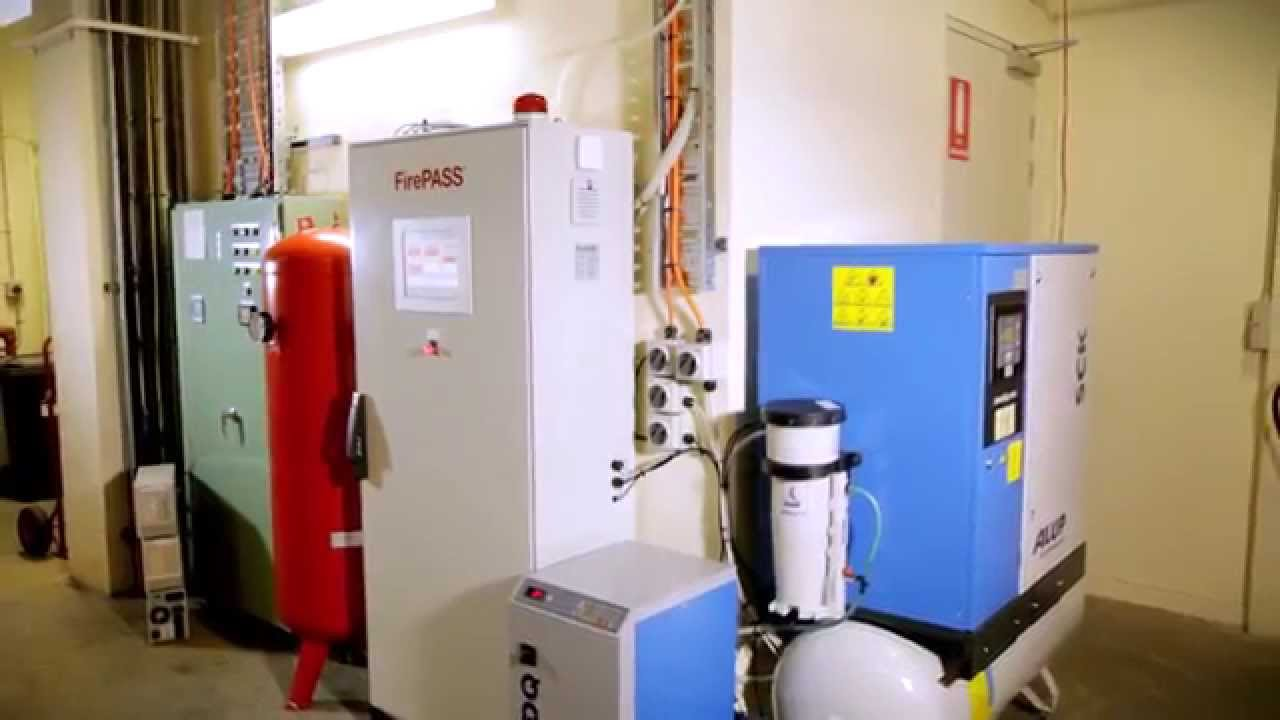
The basic idea behind firepass comes from the science of combustion. Most ordinary fires need heat, fuel, and oxygen to start and continue burning. Reducing the available oxygen can make ignition and combustion more difficult. A typical oxygen-reduction system processes incoming air and supplies air with a lower oxygen concentration to a protected area.
Sensors and control equipment help maintain the required conditions. Engineers must carefully design the system for the room’s size, ventilation, and intended use. The exact operating conditions vary by application. This process differs from simply releasing a gas during an emergency. It aims to maintain protective conditions continuously. However, reduced oxygen can affect people, and safety cannot be assumed from a product description alone. Qualified specialists must assess human occupancy, monitoring, emergency procedures, and applicable fire safety standards before installation.
Key Features of Firepass Technology
One important feature of firepass is its preventive approach to fire protection. Conventional alarms detect signs of danger, while sprinklers and suppression equipment respond according to their designs. Oxygen-reduction technology aims to lower the chance of ignition in the first place. Systems may include air-processing equipment, oxygen sensors, control units, and monitoring features. Different models are designed for different room sizes and operating needs. Some solutions focus on individual equipment cabinets, while others protect much larger enclosed areas. This flexibility can make the technology worth evaluating for specialized facilities. Still, features vary between models, so buyers should check the exact specifications. They should also ask about maintenance, backup power, alarms, installation costs, and integration with existing safety systems. A feature list alone cannot prove that a particular solution will suit every building.
Main Benefits of Firepass
Fire prevention can protect property, equipment, records, and daily business operations. Firepass aims to reduce ignition risk in suitable environments, which may be valuable for facilities containing expensive or sensitive assets. Preventing a fire could also help limit downtime and reduce the disruption associated with repairs. Another possible advantage is its suitability for locations where conventional suppression methods may create additional concerns. For example, some facilities contain equipment that could be damaged by water. A preventive system may offer another layer of protection when properly designed. However, benefits depend on the application and installation quality.
No technology removes every fire hazard. Businesses should compare the system’s costs, expected performance, maintenance requirements, and safety limitations. They should also retain suitable detection, evacuation, and emergency response measures as part of a complete fire protection plan.
Where Is Firepass Used?
FirePASS technology is intended for several specialized fire prevention applications. Data centers are one example because they contain valuable servers, storage devices, and networking equipment. Large warehouses may also benefit from carefully designed protection, especially when they store expensive goods. Industrial facilities can have sensitive machinery and electrical equipment that require additional safeguards. Some installations may also be considered for archives, substations, and other enclosed spaces. The best solution depends on the site’s specific hazards and operating conditions.
A system suitable for one warehouse may not be appropriate for a busy workplace. Before making a decision, facility managers should arrange a professional risk assessment. They should confirm the required protection level and ensure that the proposed design meets local regulations and the needs of people working inside the building.
Firepass Compared With Traditional Fire Protection
Traditional fire protection includes smoke detectors, heat detectors, sprinklers, extinguishers, and specialized suppression systems. Each option serves a different purpose. Smoke alarms warn people about possible danger. Sprinklers help control or extinguish fires after activation. Other suppression systems may use approved agents to limit flames in protected spaces. Firepass takes a different approach by trying to reduce the chance of ignition through oxygen control.
These methods should not automatically be treated as replacements for one another. In many buildings, a combination of suitable technologies provides stronger protection. The correct design depends on the fire risk, the building layout, the occupants, and local safety requirements. A qualified fire protection engineer can compare available options and recommend a practical system. The goal is to protect people first while reducing damage to property and essential equipment.
Is Firepass Safe for People?
Human safety is one of the most important considerations when evaluating oxygen-reduction technology. Lower oxygen levels can affect breathing, concentration, and physical performance, depending on the conditions and the individual. A system must therefore be designed around the people who use the protected space. Engineers should evaluate oxygen targets, occupancy patterns, monitoring equipment, warning systems, and emergency exits.
They should also consider workers who may have special health needs. Claims that a system is safe for everyone should never replace an independent assessment. Businesses should ask qualified specialists to explain the expected environment and the safety measures required. Staff must understand the procedures for alarms, equipment faults, and emergencies. Fire protection should never depend on assumptions about how people will respond to reduced oxygen. Local building codes and occupational safety rules must guide the final decision.
Firepass Installation and Maintenance
Installing firepass equipment requires more than placing a machine inside a room. Specialists must examine the building, identify fire hazards, calculate the protected volume, and assess air movement. They must also determine whether doors, vents, and other openings could affect performance. The system then needs suitable controls, sensors, and testing procedures. After installation, regular maintenance helps confirm that the equipment continues to operate as intended.
Maintenance may include checking sensors, inspecting air-processing components, testing alarms, and reviewing system records. The precise schedule depends on the equipment and manufacturer instructions. Facility managers should keep service documents and train relevant staff. They should also arrange professional inspections whenever the building layout or room use changes. A well-planned maintenance program helps identify problems before they undermine the protection strategy.
Firepass Costs and Budget Planning
The cost of firepass depends on several factors, so a single price cannot represent every project. A small equipment cabinet and a large automated warehouse have very different protection needs. Project costs may include equipment, engineering assessments, installation, control systems, testing, and ongoing service. Building changes can also affect the total budget.
Buyers should request a detailed quotation based on their actual site conditions. It is helpful to compare the expected costs with the value of the assets being protected and the potential effects of business interruption. However, the lowest quotation is not always the best choice. Buyers should examine technical suitability, safety planning, warranty terms, maintenance support, and compliance requirements. They should also ask whether the proposal includes all necessary components. A clear budget makes it easier to compare options without overlooking important safety expenses.
How to Evaluate a Firepass System
Before choosing firepass, start by identifying the main risks in your building. Consider what materials are stored there, how valuable the equipment is, and how many people occupy the space. Next, arrange an assessment with a qualified fire protection professional. Ask whether oxygen-reduction technology is suitable for the specific environment. Request written details about performance, operating conditions, safety controls, and maintenance.
You should also confirm which fire alarms and backup systems will remain necessary. Ask the supplier to explain any limitations in plain language. Check the company’s technical documentation and references for comparable installations. Finally, verify compliance with applicable local requirements. These steps help decision-makers focus on evidence rather than marketing promises. A good purchasing decision should balance safety, reliability, operating costs, and the needs of everyone using the facility.
Common Misunderstandings About Firepass
One common misunderstanding is that fire prevention technology makes a building completely fireproof. No system can guarantee that every fire hazard will disappear. Another mistake is assuming that oxygen reduction removes the need for alarms, emergency plans, or other safeguards. Those measures may still be essential. Some readers may also confuse FirePASS fire prevention equipment with unrelated applications or password management tools carrying a similar name.
Checking the context and official product information can prevent confusion. People should also avoid assuming that every building can use the same design. Room size, airflow, stored materials, and human occupancy all influence suitability. Understanding these limits helps people make better decisions. The most reliable approach combines professional assessment, verified technical information, proper installation, and regular maintenance rather than depending on a single product.
The Future of Fire Prevention Technology
Fire prevention continues to develop as businesses look for better ways to protect property and maintain operations. Technologies that monitor environmental conditions may help facility managers understand risks more clearly. Automated controls can also support consistent operation when properly designed and maintained. Oxygen-reduction systems represent one approach to preventing ignition in selected environments. Their usefulness will depend on real-world performance, safety evidence, operating costs, and compliance with changing standards.
Future improvements may focus on monitoring, system integration, energy efficiency, and easier maintenance. However, new technology should always be assessed carefully before adoption. Buyers need reliable documentation and advice from qualified professionals. The strongest fire safety plans will continue to combine prevention, detection, emergency response, and staff training. Technology can support that plan, but sound safety practices remain essential.
Conclusion
Firepass offers an interesting approach to fire prevention by controlling oxygen levels in selected enclosed spaces. It may be worth considering for specialized facilities that protect valuable equipment, stored goods, or important records. However, suitability depends on the building, its occupants, and its fire risks. Before choosing a system, compare technical details, installation costs, maintenance needs, and safety requirements.
Consult qualified professionals and verify all claims using reliable documentation. Remember that effective fire protection requires more than one piece of equipment. Detection, emergency planning, staff training, and regular inspections remain important. If you manage a facility, begin with a professional risk assessment. It can help you decide whether oxygen-reduction technology belongs in your wider safety plan.
FAQs
1. What is firepass used for?
Firepass is associated with oxygen-reduction fire prevention technology. It is designed to make ignition more difficult in suitable enclosed spaces. Potential applications include warehouses, data centers, and industrial facilities.
2. How does firepass prevent fires?
The system reduces oxygen concentration in a protected environment. Since oxygen supports combustion, this can make it harder for many materials to ignite. Proper engineering and monitoring are essential for reliable performance.
3. Is firepass the same as a fire alarm?
No. A fire alarm detects signs of danger and alerts people. Firepass focuses on reducing ignition risk through oxygen control. These technologies serve different purposes and may work together in a wider safety plan.
4. Can firepass be installed in any building?
Not every building is suitable. Installation depends on room size, ventilation, fire hazards, occupancy, and safety rules. A qualified professional should assess the location before recommending a system.
5. How much does firepass cost?
There is no single price for every installation. Costs depend on equipment size, building requirements, engineering work, and maintenance needs. Contact the supplier for a quotation based on your specific project.
6. Where can I find official firepass information?
YouYou can visit the official FirePASS website at firepass.com for product details, applications, and company information.