Introduction
The Canadian stock market helps people understand the country’s economy and business performance. Many investors search for tsx index today updates to see whether share prices are rising or falling. These movements can reveal changes in investor confidence and market expectations. They can also help readers understand the performance of different industries.
The Toronto Stock Exchange, commonly known as the TSX, is one of Canada’s leading stock exchanges. It lists companies from banking, energy, mining, technology, and other industries. The S&P/TSX Composite Index is a popular benchmark for tracking Canadian stocks. It measures the performance of a broad group of listed companies.
You do not need advanced financial knowledge to understand stock market movements. Start by checking the index level, percentage change, and major industry trends. This guide explains how to follow the Canadian market and understand its daily changes. It also covers investment risks, useful research methods, and simple tips for beginners.
TSX Index Today: Latest Market Update
Investors checking tsx index today figures should look for the latest confirmed market data. They should also check whether the market is currently trading or has already closed. The S&P/TSX Composite Index provides a broad overview of Canadian stock performance. Its movements reflect changes in the prices of its constituent companies.
Market prices can change throughout a trading session. Therefore, yesterday’s closing figure may not match today’s live level. Investors should use reliable financial websites and check the displayed date and time. Official index information is available through S&P Dow Jones Indices. You can also explore market information through TMX. Always confirm the latest figures before publishing market updates. Accurate timestamps help readers distinguish live prices from delayed information and previous closing values.
What Is the TSX Index?
The S&P/TSX Composite Index is a major benchmark for Canada’s stock market. It tracks a broad selection of Canadian companies listed on the Toronto Stock Exchange. These companies operate across several important industries. The index helps investors understand how the wider Canadian equity market performs.
Think of the index as a market scoreboard. It combines information from many companies into one figure. When the index rises, its weighted market value generally increases. When it falls, the overallhttps://financialpost.com/news/posthaste-while-the-sp500-keeps-hitting-new-highs-these-canadian-blue-chips-are-weighing-down-the-tsx-index market experiences downward pressure. However, individual stocks can move differently from the index. Some companies may rise while others decline. The tsx index today therefore provides a general market picture rather than a complete explanation of every company’s performance. Investors should also review individual businesses, industry developments, and economic reports to understand the reasons behind market movements.
TSX Index Profile and Key Details
The following table summarizes important information about the Canadian stock market benchmark. Since an index is a financial measurement rather than a person, this profile table serves as a reference guide instead of a personal biography.
| Detail | Information |
|---|---|
| Index name | S&P/TSX Composite Index |
| Common name | TSX Composite |
| Country | Canada |
| Main exchange | Toronto Stock Exchange |
| Launch year | 1977 |
| Index provider | S&P Dow Jones Indices |
| Calculation method | Float-adjusted market capitalization |
| Main purpose | Measure broad Canadian stock performance |
| Currency context | Canadian dollar |
| Main industries | Financials, energy, materials, and others |
| Official information | Index factsheet |
The index gives larger eligible companies more influence through its weighting method. Therefore, movements in major companies can affect the overall result more than movements in smaller companies. Its constituents and weights can change over time. Readers should check the latest factsheet when they need current company details. Understanding this structure makes tsx index today figures easier to interpret and compare.
How to Read TSX Market Performance
When checking tsx index today information, focus on three important numbers. These are the index level, the point change, and the percentage change. Each number explains a different part of the market’s performance.
Imagine an index starts at 35,000 points and rises to 35,350. It has gained 350 points, representing a 1% increase. If it falls from 35,000 to 34,650, it loses 350 points. That is also a 1% move, but in the opposite direction. These are examples, not actual market figures. Percentage changes help readers compare movements across different days. Point changes alone can sometimes be misleading because the starting index level matters. Investors should also check whether a figure represents a price index or a total-return index. Total-return measures account for dividends under their stated methodology.
Which Sectors Influence the TSX?
Canada’s stock market has strong connections to banking, energy, and natural resources. These sectors can influence the index because some of their largest companies have substantial weights. Banks earn money through lending and financial services. Energy companies depend partly on oil and natural gas prices. Mining companies respond to metal prices, production costs, and global demand.
Technology, healthcare, and industrial businesses also contribute to Canadian market performance. A company may rise after reporting strong earnings. Another may fall after announcing weaker sales or higher expenses. These different movements explain why one industry can perform well while another struggles. Reviewing sector performance adds context to tsx index today figures. It helps readers identify which parts of the economy may be supporting or weakening the overall market. However, sector performance changes over time, so investors should avoid assuming that one industry will always lead the market.
Major Companies to Watch on the TSX
Large Canadian companies can provide useful clues about market movements. Examples include Royal Bank of Canada, Shopify, Enbridge, and Canadian Natural Resources. These businesses represent different industries and respond to different economic conditions. Banks depend partly on lending activity and credit conditions. Technology companies focus on sales growth and business expansion. Energy producers respond to commodity prices and production costs.
Investors should review company earnings, business announcements, and industry news before making conclusions. Strong financial results may attract investors, while weaker forecasts can put pressure on share prices. The performance of major companies can influence tsx index today results because of their index weights. Still, a single company’s performance does not explain every market movement. Check the latest index factsheet to confirm current constituents and their relative importance. This approach provides a more reliable understanding of the Canadian stock market.
What Makes the TSX Index Rise or Fall?
Stock prices change when investors adjust their expectations about company profits and economic conditions. Strong earnings can encourage investors to buy shares. Weak results may cause investors to sell. Inflation reports, employment figures, and interest rate decisions can also influence market sentiment.
International developments matter as well. Oil prices can affect Canadian energy companies. Metal prices influence mining businesses. Changes in the United States economy can affect Canadian exporters and trade. Currency movements may also influence businesses that earn money abroad. These factors can operate together and create different market reactions. Understanding them helps explain tsx index today movements without relying on one headline. Investors should compare several reliable sources and distinguish confirmed information from predictions. This habit can reduce the risk of making decisions based on incomplete market news.
How Interest Rates Affect Canadian Stocks
Interest rates play an important role in stock market performance. When borrowing costs increase, households may reduce spending. Businesses may also delay expansion plans because loans become more expensive. Companies carrying large debts can face higher financing costs. These pressures may affect future profits and share prices.
Lower interest rates can sometimes support stock prices. Cheaper borrowing may encourage business investment and consumer spending. However, lower rates do not guarantee a rising market. Investors must also consider inflation, employment, economic growth, and company earnings. Banks and property companies may react differently to the same rate decision. The market may also respond before an official announcement because investors anticipate possible changes. When reviewing tsx index today trends, follow central bank updates alongside company results. This broader approach provides more context than focusing on interest rates alone.
How Global Events Affect the Canadian Market
Canada has strong international trade connections, so global events can influence its stock market. Changes in international demand may affect Canadian exports. Political tensions can disrupt shipping routes and energy supplies. Economic changes in major trading partners may also influence Canadian businesses.
For example, rising oil prices may support some energy producers. However, they can also increase transportation expenses for other companies. Falling metal prices may put pressure on mining businesses. International uncertainty can also make investors more cautious about holding stocks. These developments can affect tsx index today results even when Canadian economic news is limited. Investors should monitor major global events while considering their possible effects on different industries. Not every international headline has a lasting market impact. Reliable reporting and careful analysis help readers separate temporary reactions from broader economic changes.
TSX Market Hours and Live Updates
The Toronto Stock Exchange normally operates from 9:30 a.m. to 4:00 p.m. Eastern Time on regular trading days. Public holidays and special exchange arrangements can affect the schedule. Some brokers offer extended trading for certain securities, but those sessions differ from regular exchange hours.
When searching for tsx index today updates, check whether your source provides live, delayed, or closing data. A previous closing figure may differ from the current market level. You can find index information through the S&P Dow Jones Indices website and exchange information through TMX. Other financial platforms may provide charts, company prices, and historical records. Compare timestamps before using figures in an article. This simple step helps readers understand exactly when the information was recorded and prevents outdated numbers from appearing current.
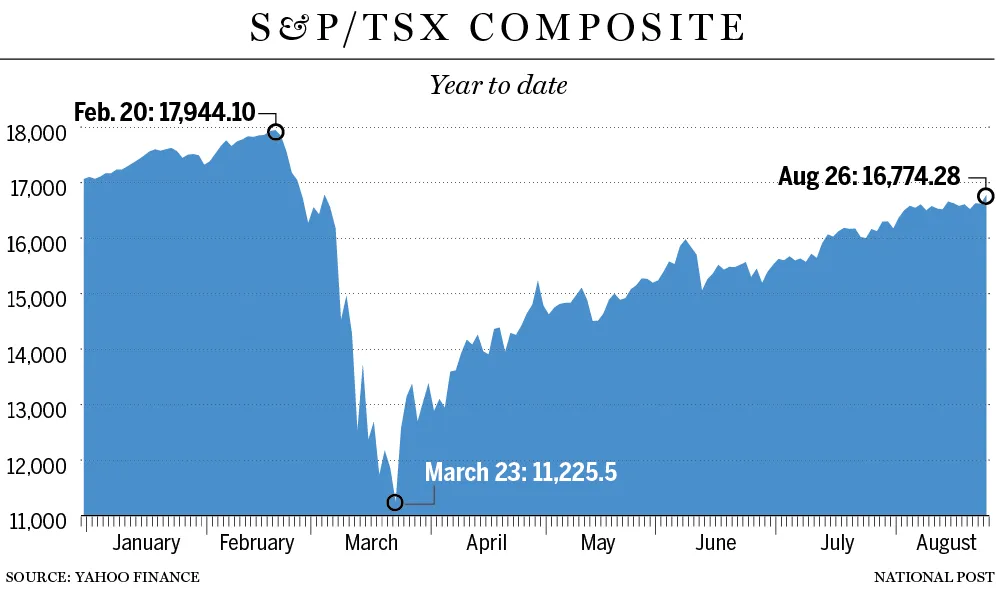
How to Understand a TSX Index Chart
A stock market chart shows how an index changes over time. Daily charts focus on short-term movements. Monthly and yearly charts help readers understand longer-term patterns. Line charts often display closing values, while candlestick charts show opening prices, closing prices, highs, and lows.
Trading volume can provide additional context, although volume information depends on the data source and chart. Some traders also use technical indicators to study momentum and potential support levels. However, these tools cannot predict future prices with certainty. When reviewing tsx index today charts, compare short-term movements with longer periods. Consider company earnings and economic news before drawing conclusions. A chart is most useful when it supports a clear research process. It should not encourage rushed decisions based on a sudden price change or one technical pattern.
Is the TSX Index Suitable for Beginners?
The TSX Index Today Composite can help beginners learn about Canada’s stock market. It provides a broad view of many Canadian businesses. Instead of researching every company individually, readers can use the index to follow general market performance. This makes it a useful starting point for financial education.
However, the index is a benchmark, not an investment that people can buy directly. Investors seeking similar exposure can research exchange-traded funds that track the index. Before choosing a fund, compare its fees, holdings, tracking method, and risks. An ETF can spread investments across several companies, but it cannot remove market risk. Its value may decline when the wider market falls. Beginners should consider their financial goals, investment timeframe, and ability to handle losses. Professional financial advice may help when investment choices feel difficult or unclear.
Benefits and Risks of Following the TSX
Following tsx index today updates can help readers understand Canadian business conditions. The index offers a simple way to monitor broad market performance. Investors can compare current movements with earlier periods. Students and business owners can also use market information to understand economic trends.
However, daily changes can be misleading without context. A rising index does not mean every company is performing well. A falling index does not mean every stock is a poor investment. Large companies and specific industries may influence the overall result more than others. Investors can lose money when stock prices decline. Frequent trading may also increase costs and emotional pressure. The best approach is to treat the index as one source of information. Combine it with company research, reliable economic reports, and a clear investment plan. Never assume that past market performance guarantees future returns.
Practical Tips for Tracking the TSX Every Day
You do not need to watch the market all day to stay informed. A simple routine can help you understand market movements without becoming overwhelmed. Begin by checking the latest index level and percentage change. Then review sector performance and important financial news. Finally, compare the current session with recent market trends.
Use these practical tips:
- Check the timestamp: Confirm whether the figures are live or delayed.
- Compare different periods: Review daily, weekly, and monthly performance.
- Study major sectors: Follow banking, energy, and mining developments.
- Read reliable news: Separate confirmed reports from market speculation.
- Avoid emotional decisions: A sudden decline does not automatically mean you should sell.
- Keep your goals clear: Make financial decisions based on your own circumstances.
Recording tsx index today figures can also help you compare market performance over time. A weekly review may reveal patterns that daily changes hide. However, remember that market data provides information rather than certainty. A steady research routine can help you understand changes without reacting to every fluctuation.
How the TSX Index Helps You Understand Canada’s Economy
Stock market indexes can provide useful information about business expectations. When company shares rise, investors may expect stronger profits or better economic conditions. When prices fall, they may be concerned about costs, demand, or uncertainty. These movements can reflect changing expectations rather than confirmed changes in the economy.
The TSX includes companies from several important Canadian industries. Their performance can offer clues about financial services, resource production, and business activity. Still, the index does not measure every part of the economy. It does not directly show household finances, unemployment, or the performance of every small business. For a fuller picture, compare tsx index today figures with employment reports, inflation data, and economic growth estimates. Using different indicators provides a more balanced understanding of Canada’s financial situation.
Conclusion: TSX Index Today
The S&P/TSX Composite Index is an important benchmark for understanding Canadian stock market performance. It tracks a broad group of companies and reflects changes across several industries. By studying index levels, percentage changes, company earnings, and economic news, readers can better understand market movements.
Following tsx index today updates can help you stay informed, but one day’s performance cannot predict the future. Check reliable sources, confirm timestamps, and compare short-term movements with longer trends. If you plan to invest, research your options carefully and consider your financial goals. A thoughtful approach can help you understand the Canadian market without reacting emotionally to every price change.
Frequently Asked Questions (FAQs)
1. What does TSX index today mean?
The phrase refers to the latest level and performance of a Canadian stock market index, usually the S&P/TSX Composite Index. Check a reliable financial website and confirm its timestamp for the latest available information.
2. Where can I find the latest TSX index value?
You can check the official S&P Dow Jones Indices website, TMX, or a trusted financial market platform. Confirm whether the displayed value is live, delayed, or from the previous close.
3. What does the S&P/TSX Composite Index measure?
It measures the performance of a broad group of Canadian stocks. Its constituents represent different industries, including financial services, energy, materials, technology, and industrials.
4. Why does the TSX index rise or fall?
The index moves as its constituent stock prices change. Company earnings, interest rates, inflation, commodity prices, currency movements, and global events can all affect market performance.
5. Can beginners invest directly in the TSX index?
No. An index measures market performance rather than representing a directly purchasable security. However, investors can research exchange-traded funds that track the index or provide similar market exposure.
6. How often should I check TSX index updates?
Checking once a day may be enough for general market awareness. Long-term investors may benefit more from reviewing weekly or monthly trends than from watching every small price movement.