Introduction
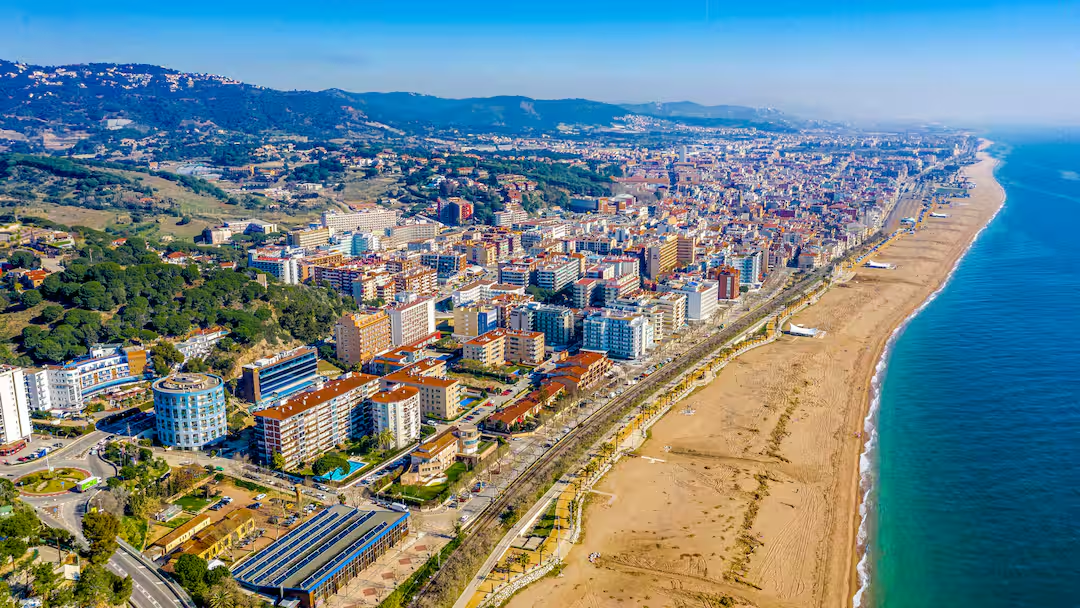
Costa Brava Spain is a beautiful coastal area in northeastern Catalonia. It stretches from Blanes in the south to Portbou near France. The region is known for blue water, rocky cliffs, sandy beaches, and small fishing villages. It also offers historic towns, nature parks, local food, and art. The coastline covers more than 200 kilometers.
A trip here can be relaxing or active. You can spend a morning on a quiet beach. Later, you can explore an old village or enjoy fresh seafood. Walking trails connect many coastal areas. Small roads also make road trips enjoyable. Costa Brava Spain works well for couples, families, solo travelers, and groups. This guide explains where to go, where to stay, what to eat, and how to plan your visit.
Costa Brava Spain Quick Facts
| Detail | Information |
|---|---|
| Destination | Costa Brava |
| Country | Spain |
| Region | Catalonia |
| Province | Girona |
| Coastline | More than 200 km |
| Southern point | Blanes |
| Northern point | Portbou |
| Main airport nearby | Girona-Costa Brava Airport |
| Main attractions | Beaches, villages, nature, food, history |
| Popular towns | Tossa de Mar, Cadaqués, Begur, Lloret de Mar |
| Famous artist connection | Salvador Dalí |
| Main sea | Mediterranean Sea |
The region combines seaside scenery with mountains, villages, and cultural attractions. Its location also makes it practical for travelers exploring northeastern Spain. Girona Airport serves the wider area, while high-speed rail connections link Girona with Barcelona and France.
Where Is Costa Brava Spain?
Costa Brava Spain sits in Catalonia along the Mediterranean coast. It is northeast of Barcelona and close to the French border. The coastline runs through the province of Girona. Its landscape changes as you travel north or south. Some places have long beaches, while others have tiny coves surrounded by cliffs.
The easiest way to understand the area is with a map. A Costa Brava Spain map shows the main coastal towns and nearby attractions. Blanes sits toward the southern end. Portbou is close to France in the north. Between them are famous places such as Lloret de Mar, Tossa de Mar, Begur, Cadaqués, and Roses. Looking at a map before your trip can help you choose the right base.
Understanding the Costa Brava Spain Map
A Costa Brava Spain map is useful because the region is spread along a long coastline. You should mark the towns you want to visit before booking your hotel. This can reduce unnecessary driving and make day trips easier.
The southern area includes busy destinations such as Lloret de Mar and Blanes. Tossa de Mar offers beaches, cliffs, and historic sights. Farther north, Begur and Calella de Palafrugell provide smaller coastal experiences. Cadaqués sits farther north on the Cap de Creus peninsula. The official regional tourism site describes the coast as running from Blanes to Portbou.
A map also helps when planning walking routes. Many coastal paths connect beaches and villages. The GR 92 follows sections of the Mediterranean coastline.
Best Towns to Visit
Costa Brava Spain has many towns with different personalities. Choosing the right one depends on your travel style. Lloret de Mar is lively and has many hotels, restaurants, beaches, and activities. Tossa de Mar offers a mix of history and seaside views. Its old walled area is one of its notable attractions.
Cadaqués feels different from the larger resorts. Its white buildings and rocky coastline create a peaceful setting. The town is also linked with Salvador Dalí and the nearby Portlligat museum.
Begur is another good choice for travelers who enjoy smaller beaches and historic surroundings. Calella de Palafrugell has a traditional coastal feel. Roses provides a useful base for exploring the northern coast and nearby natural areas.
Beautiful Beaches and Hidden Coves
The beaches are a major reason travelers visit Costa Brava Spain. You can find wide sandy beaches, rocky coves, and small bays surrounded by pine trees. Some beaches are easy to reach, while others require a walk along a coastal path.
Tossa de Mar has attractive beaches and coves beside cliffs. Lloret de Mar also offers several beaches and smaller bays. Around Begur and Palafrugell, travelers can discover many scenic coastal spots. The regional tourism site lists dozens of beaches across different parts of the coast.
For a quieter experience, consider visiting earlier in the day. Bring water, comfortable shoes, sunscreen, and a light bag. Some smaller coves have limited facilities. Checking access before leaving your hotel can save time.
Costa Brava Spain Hotels and Where to Stay
Choosing between Costa Brava Spain hotels depends on your budget and preferred experience. Large coastal towns have many choices. You can find modern resorts, family hotels, boutique stays, apartments, and smaller guesthouses.
Lloret de Mar offers a broad range of accommodation. It can suit travelers who want restaurants, nightlife, beaches, and activities nearby. Tossa de Mar works well for visitors who want history alongside the sea. Cadaqués can suit travelers seeking a smaller and more artistic atmosphere. Official tourism information notes that Tossa de Mar has varied accommodation options.
When comparing Costa Brava Spain hotels, look beyond the room price. Check the location, parking, breakfast, beach access, and cancellation rules. A cheaper hotel far from your planned activities may cost more in transport. Booking early can also give you more choices during busy travel periods.
Things to Do Beyond the Beach
Costa Brava Spain is not only about swimming and sunbathing. The area has hiking routes, natural parks, water activities, cycling routes, museums, and historic towns. Travelers can enjoy kayaking, snorkeling, walking, golf, and other outdoor activities.
The Cap de Creus area is especially interesting for nature lovers. Its rocky landscapes look very different from traditional sandy beaches. The region also includes Aiguamolls de l’Empordà and the Montgrí, Illes Medes i Baix Ter natural area.
Coastal walking is another rewarding option. The paths can provide views that are impossible to see from a main road. Wear shoes with good grip. Carry water, especially during warmer months.
History and Culture
History adds another layer to Costa Brava Spain. The region has ancient archaeological sites, medieval villages, old churches, and traditional fishing communities. Empúries is one important archaeological location. Medieval towns also appear throughout the wider Girona area.
Art lovers can explore places connected with Salvador Dalí. Cadaqués and Portlligat are closely connected with his life and work. The Dalí connection gives the northern Costa Brava a special cultural character.
You can also visit Girona during your trip. Its historic streets provide a different experience from the beach towns. This makes the region useful for travelers who want both seaside relaxation and cultural sightseeing.
Food to Try in Costa Brava
Food is another important part of Costa Brava Spain. Local cooking often combines seafood with products from the nearby countryside. Fresh fish, rice dishes, vegetables, olive oil, and local wines appear across the region.
The Empordà area is known for its wine tradition. Travelers can visit wineries and learn more about local production. The regional tourism organization also highlights the area’s mix of traditional and creative cuisine.
For a simple meal, try a local seafood restaurant near the coast. Ask about the daily catch rather than choosing only familiar dishes. Small family restaurants can also provide memorable meals. Food markets are worth exploring if you want local products for a picnic or casual lunch.
Best Time to Visit
The best time for Costa Brava Spain depends on what you want to do. Summer is popular for beach holidays, swimming, boat trips, and outdoor dining. However, popular towns can become busy during peak periods.
Spring and early autumn can be appealing for travelers who prefer walking and sightseeing. Temperatures are often more comfortable for exploring villages and coastal paths. You may also find a calmer atmosphere outside the busiest summer weeks.
Winter has a different character. Some seasonal businesses may operate on reduced schedules. Still, the coastline can be peaceful and beautiful. Always check hotel and attraction opening dates before planning an off-season trip.
A Simple Costa Brava Spain Road Trip
A road trip is a practical way to explore Costa Brava Spain. Having a car gives you more freedom to stop at beaches, villages, viewpoints, and restaurants. You can create a route based on your interests instead of following a fixed schedule.
For example, you could begin around Blanes and continue toward Tossa de Mar. Then travel north through Begur and Palafrugell. Continue toward Cadaqués and Cap de Creus if you have enough time. The exact route depends on your trip length.
Do not try to visit every town in one day. The charm of the region comes from slow travel. Stop for coffee, walk through old streets, and spend time beside the water. A relaxed plan often creates better memories than a crowded schedule.
Tips for Choosing Costa Brava Spain Hotels
When searching for Costa Brava Spain hotels, start by choosing your main town. This decision can shape your entire trip. If you want nightlife and many services, consider a larger resort. If you prefer quiet streets, look toward smaller coastal towns.
Read recent guest comments about noise, parking, cleanliness, and location. Photos can sometimes make a hotel appear closer to the beach than it really is. Check the walking distance on a reliable map.
Families may want pools, larger rooms, and kitchen facilities. Couples may prefer smaller boutique properties. Road trippers should check parking availability before booking. These simple checks can prevent common travel problems.
Is Costa Brava Good for Families?
Yes, many parts of Costa Brava Spain can work well for family trips. Families can choose sandy beaches, calm activities, boat rides, short walks, and towns with plenty of restaurants. Some coastal areas also provide accessible facilities and services.
Lloret de Mar has many family-friendly activities alongside its busy entertainment scene. Tossa de Mar offers beaches and historic attractions. Smaller villages can provide a slower pace for families who want fewer crowds. The region also promotes family tourism and outdoor activities.
Parents should check beach conditions and facilities before visiting smaller coves. Bring snacks and water when walking to less developed beaches. A flexible schedule is usually easier with children.
Why Costa Brava Spain Is Worth Exploring
Costa Brava Spain brings many travel experiences together in one region. You can swim in the Mediterranean before breakfast. Later, you can walk through a medieval village or visit an art museum. In the evening, you can enjoy seafood and local wine.
The region also offers variety within a relatively compact area. You can move from busy resorts to quiet villages and natural parks. The official tourism information highlights its combination of beaches, nature, culture, gastronomy, and active travel.
That variety makes planning easier for mixed groups. One person can enjoy hiking while another spends the afternoon at the beach. You can also build a trip around food, photography, history, or simple relaxation.
FAQs
1. Where is Costa Brava Spain?
Costa Brava Spain is in northeastern Catalonia. It follows the Mediterranean coast from Blanes to Portbou. It is located in Girona province and sits close to France. Barcelona is also within easy reach.
2. What is the best town in Costa Brava?
There is no single town that suits every traveler. Tossa de Mar is known for history and beaches. Cadaqués offers art and whitewashed streets. Lloret de Mar provides many services and entertainment. Begur is popular for its coastal scenery.
3. How many days do you need in Costa Brava?
Four to seven days can provide a useful introduction. A shorter trip can focus on two or three towns. A longer stay allows time for beaches, hiking, villages, food, and day trips.
4. Are Costa Brava Spain hotels expensive?
Prices vary by town, season, hotel type, and location. Busy summer periods usually have stronger demand. Compare several properties and check what each price includes. Parking and breakfast can affect the total cost.
5. Can you visit Costa Brava without a car?
Yes, but your options may be more limited. Larger towns have transport connections and local services. A car can make smaller beaches and villages easier to reach. Travelers should choose their base based on their planned activities.
6. What is Costa Brava famous for?
The area is famous for Mediterranean beaches, hidden coves, coastal paths, fishing villages, historic towns, nature, food, and Salvador Dalí connections. Its coastline stretches for more than 200 kilometers.
Conclusion
Costa Brava Spain is a destination where the sea, mountains, culture, and food come together. Its coastline offers both famous beaches and quiet coves. Its villages provide beautiful streets, local restaurants, and historic character. Natural parks add another reason to explore beyond the main resorts.
Before booking, study a Costa Brava Spain map and decide which towns match your travel style. Then compare Costa Brava Spain hotels based on location, facilities, and total value. Give yourself enough time to enjoy each stop instead of rushing between attractions.
Whether you want a relaxing beach holiday or an active road trip, the region gives you many choices. Plan your route carefully, leave space for unexpected discoveries, and enjoy the Mediterranean at your own pace.